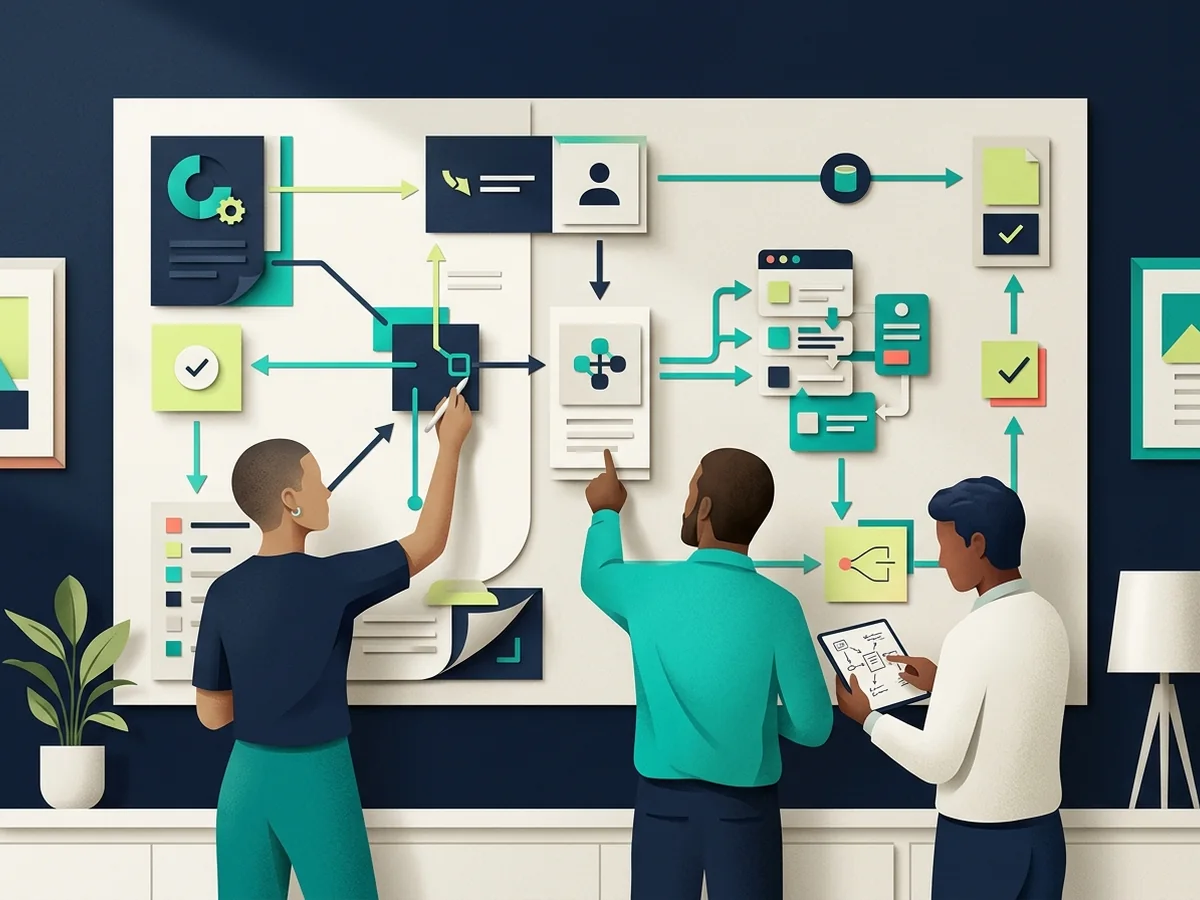
Business security is resilience: protect the services that create value, limit blast radius, and prove recovery before an incident.
If data has no defined purpose or owner, stop collecting it.
Use a known device or contact path. Do not paste passwords, recovery codes, identity numbers, or confidential records into an online checker.
01 / Read the situation
Separate the signal from the story.
A surprising event is a reason to verify, not proof of a specific cause. Record what you observed, when it happened, and which account, device, record, or person is affected. Then confirm through a channel you already trust.
A policy becomes useful only when its adjacent technical and operational controls are tested. Continue with AI privacy laws overview, PCI compliance basics, and Encrypted cloud storage.
Start with reversible containment. Keep evidence. Avoid making a rushed change that destroys logs or locks you out of recovery.
Three questions before you act
- What exactly changed?Distinguish a message about an event from evidence inside the real account or system.
- What can this access unlock?Prioritize email, phone, finance, administrator access, and recovery channels.
- Can I verify independently?Use a saved number, official app, typed address, or accountable person—not details supplied by the alert.
02 / The action plan
Move from containment to confidence.
The sequence below is deliberately broad enough to stay useful as interfaces change. Provider-specific buttons move; the security objective does not.
- 01
Identify critical services, data, accounts, vendors, and owners
Start with the highest-impact access or data in scope and avoid using a link from an unexpected message.
- 02
Require strong authentication and least privilege
Use dates, case numbers, screenshots, owners, and decisions so another person can follow what happened.
- 03
Patch exposed systems and remove unused access
Choose the smallest effective control, confirm it took effect, and protect its recovery path.
- 04
Maintain isolated backups and alternative procedures
Use the provider or authority appropriate to the affected account, record, jurisdiction, or workplace.
- 05
Rehearse incident roles, communications, and restoration
Schedule a follow-up. Many problems reappear through unchanged recovery details, connected apps, or stale copies.
03 / Decision table
Turn warning signs into specific checks.
| Signal | What it may mean | Safer next step |
|---|---|---|
| Email account takeover | Invoice fraud and reset access | MFA plus payment verification |
| Single critical vendor | Operational outage | Exit plan and fallback |
| Untested backup | Failed recovery | Scheduled restoration exercise |
For live incidents, verify steps with the affected provider and the relevant government or regulatory authority. Product screens, laws, reporting routes, and eligibility can change by place and time.
04 / Common questions
What people ask next.
Where should a small business start?+
Start with email and admin MFA, current devices, tested backups, access inventory, and a one-page incident contact plan.
Is compliance the same as security?+
No. Compliance defines obligations and evidence for a scope. Security also addresses business-specific threats, resilience, and changes between assessments.
When should I get professional help?+
Escalate when safety is at risk, money or regulated data is involved, an attacker may still have access, legal deadlines apply, business operations are affected, or you cannot confidently preserve evidence and recover.